
Product design & discovery
Before a line of code, we get precise about who this is for and what it needs to do on day one versus month twelve.
We run structured discovery so scope decisions are made deliberately, not by default. That means talking to your actual users, mapping the workflows your product needs to support, and stress-testing the idea before it becomes an engineering commitment.
Discovery sprints
Two-week research and framing to de-risk the build before you commit budget.
UI/UX design
Interfaces built around real user flows, not templates borrowed from a competitor.
Design systems
Reusable components so your product stays consistent as your team scales.
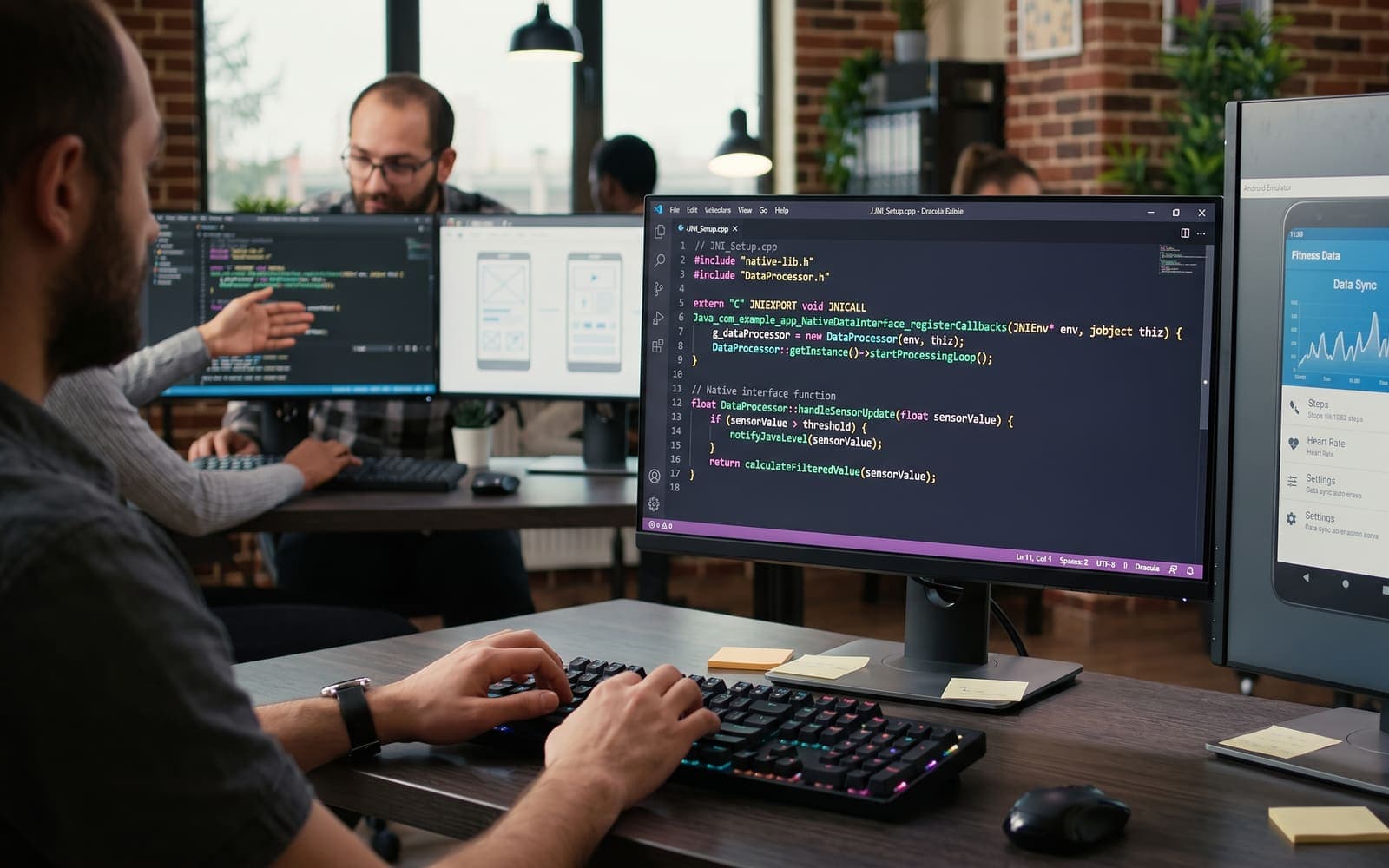
Web & mobile app development
Native, cross-platform, or web-first — we pick the stack that fits your users and your runway, not the one that's trending.
The right stack depends on your users, your team's future maintenance load, and your timeline — not what's trending in a conference talk. We've shipped native, cross-platform, and web-first products, and we'll tell you honestly which one fits.
iOS & Android
Native apps when performance and platform depth matter most.
Cross-platform
One codebase, shipped fast, without the usual compromises on feel.
Progressive web apps
App-like experiences that install straight from the browser.
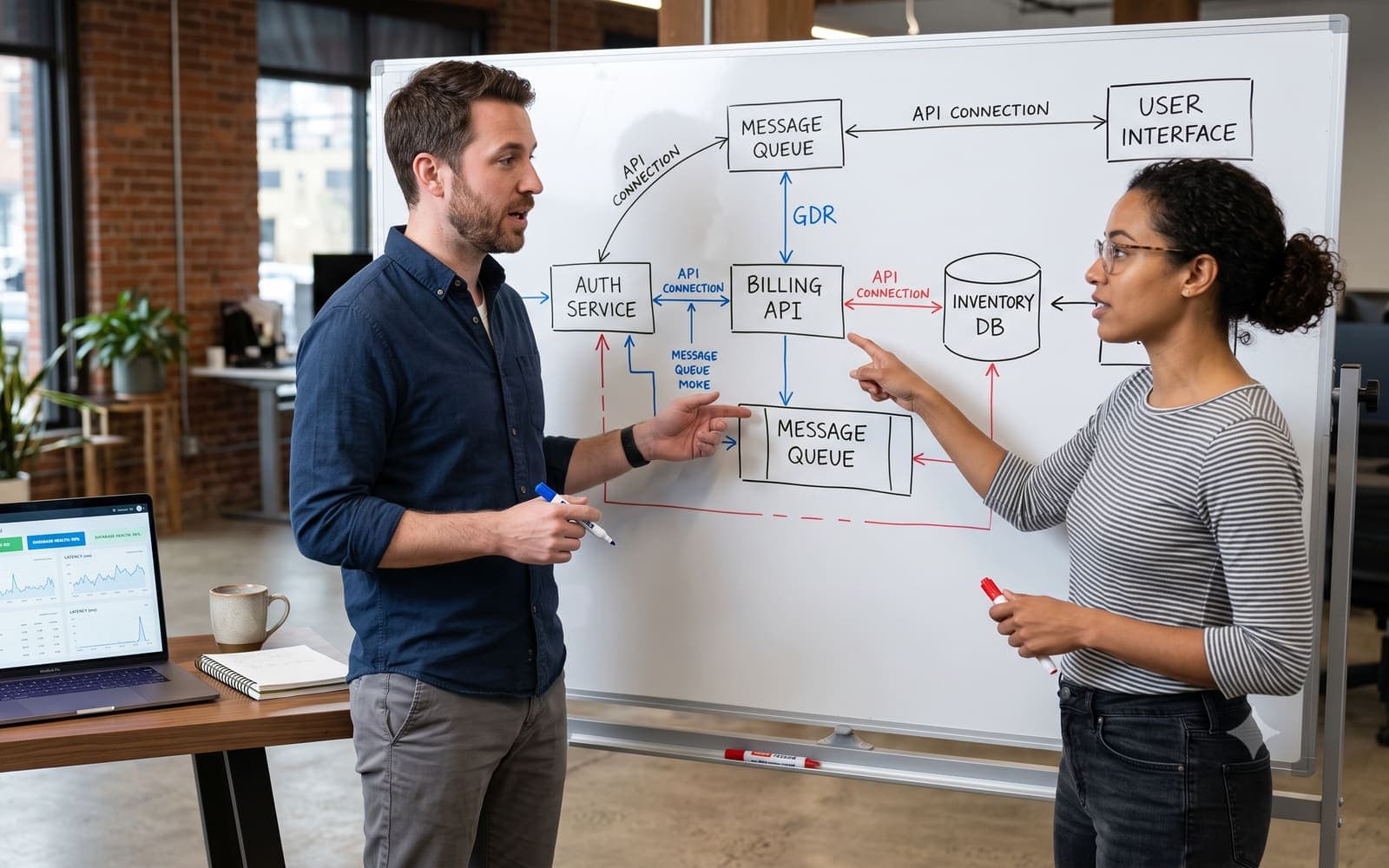
Custom software & SaaS engineering
The backend logic, integrations, and admin tooling that make your product actually run a business — not just demo well.
This is the unglamorous layer that determines whether a product survives contact with real customers: billing edge cases, permission models, admin tooling, and the integrations that make your product fit into how your customers already work.
SaaS platforms
Multi-tenant architecture built to add customers without adding chaos.
CRM & ERP builds
Internal systems shaped around how your team actually works.
API & integrations
Connecting the tools you already use instead of replacing them.
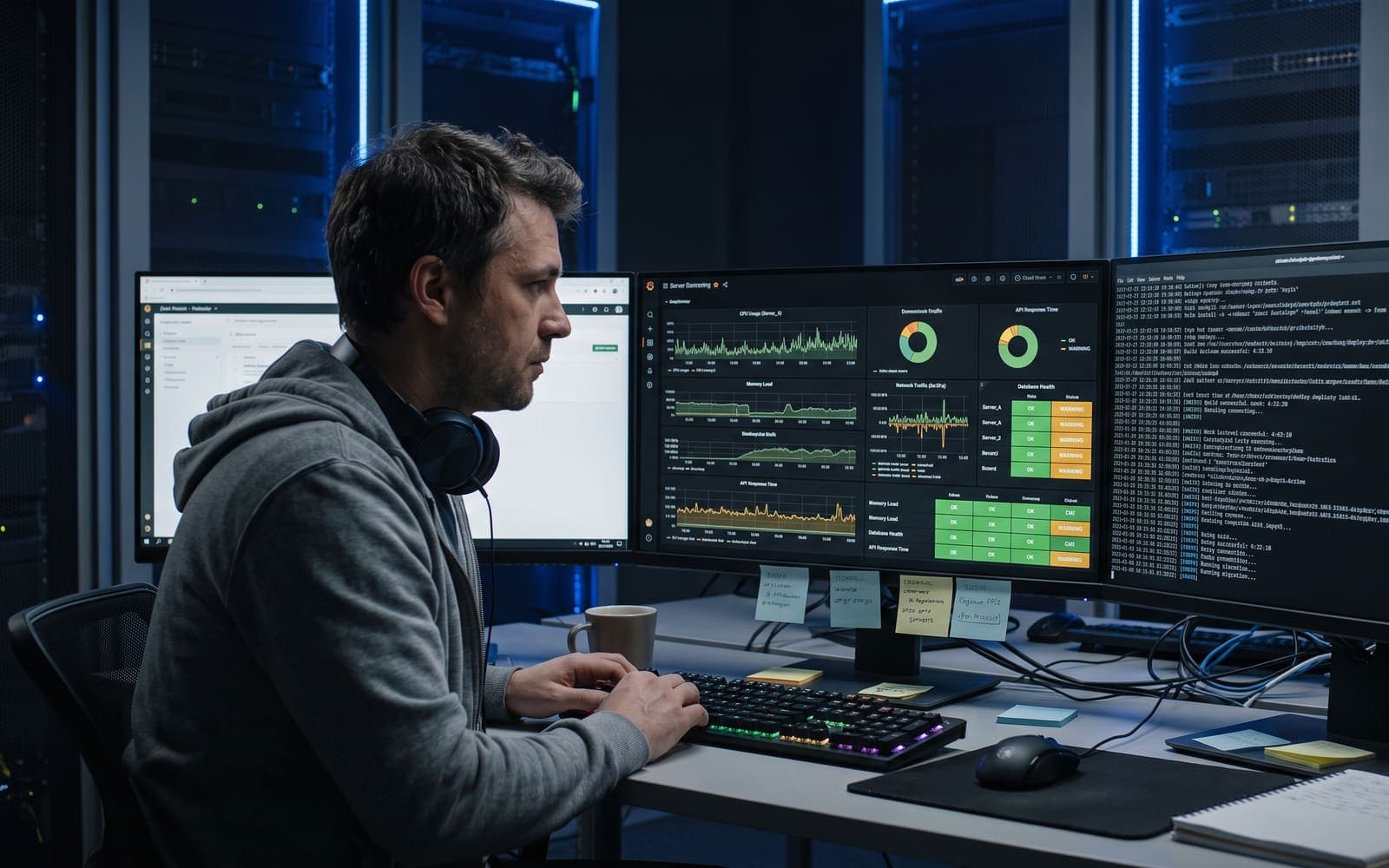
Cloud & DevOps
Infrastructure that scales when you need it to and stays quiet — and cheap — when you don't.
We size infrastructure for the traffic you actually have, with a clear path to scale for the traffic you might get. That means sensible autoscaling, cost alerts before the invoice arrives, and CI/CD that makes shipping routine instead of stressful.
Cloud migration
Moving off legacy servers without a weekend of downtime.
CI/CD pipelines
Ship on Tuesday afternoon with confidence, not dread.
Managed infrastructure
We watch the servers so your team can watch the roadmap.
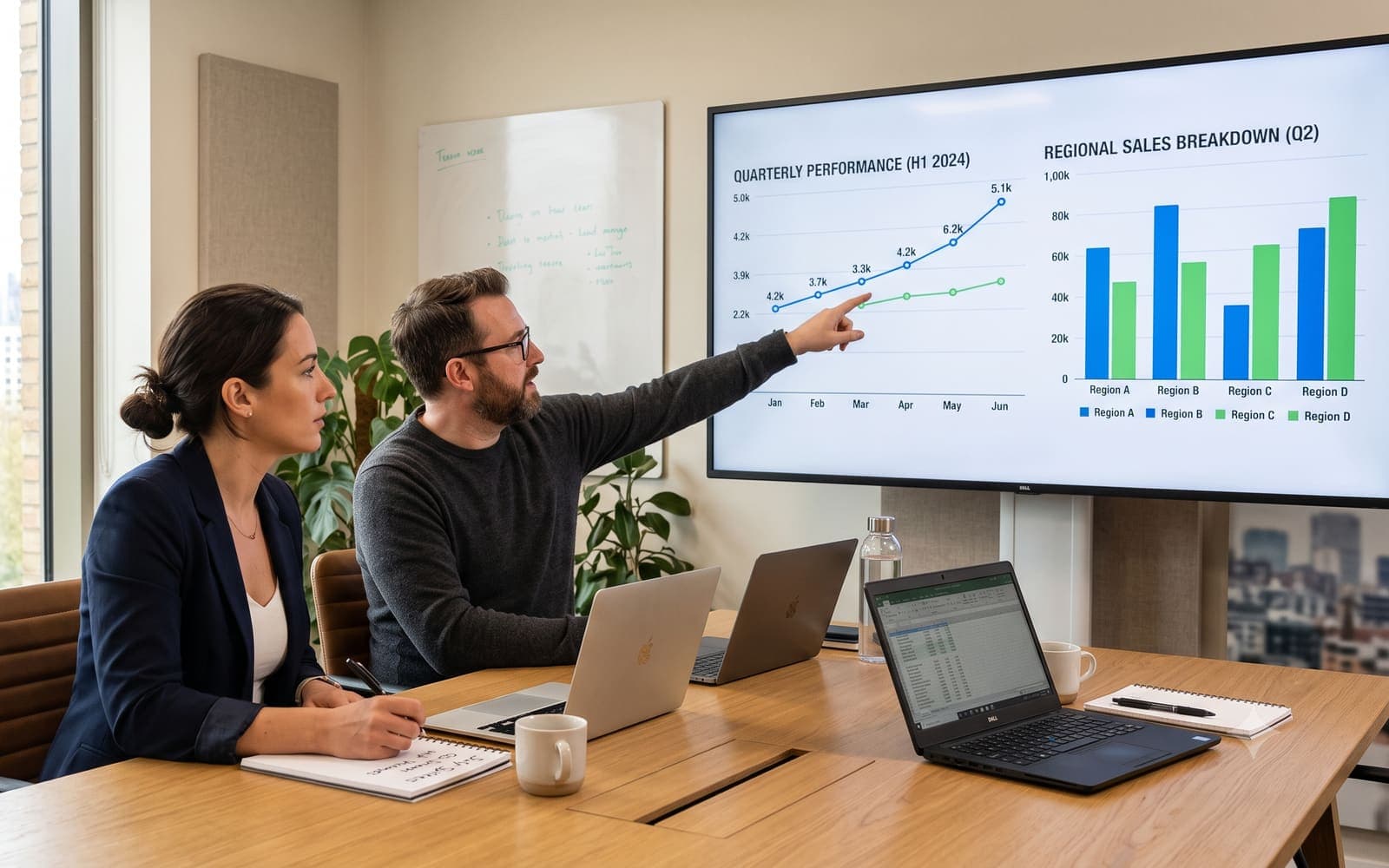
Data & analytics
Turning the numbers your product already generates into decisions someone can actually act on.
Most teams already have the data. What's missing is a pipeline that keeps it clean and a small number of dashboards that answer the specific questions leadership actually asks — not fifty charts nobody opens.
Data engineering
Pipelines that keep your data clean, current, and queryable.
Dashboards & BI
The three numbers your leadership team checks every Monday.
Reporting automation
Replace the manual spreadsheet ritual with something that runs itself.
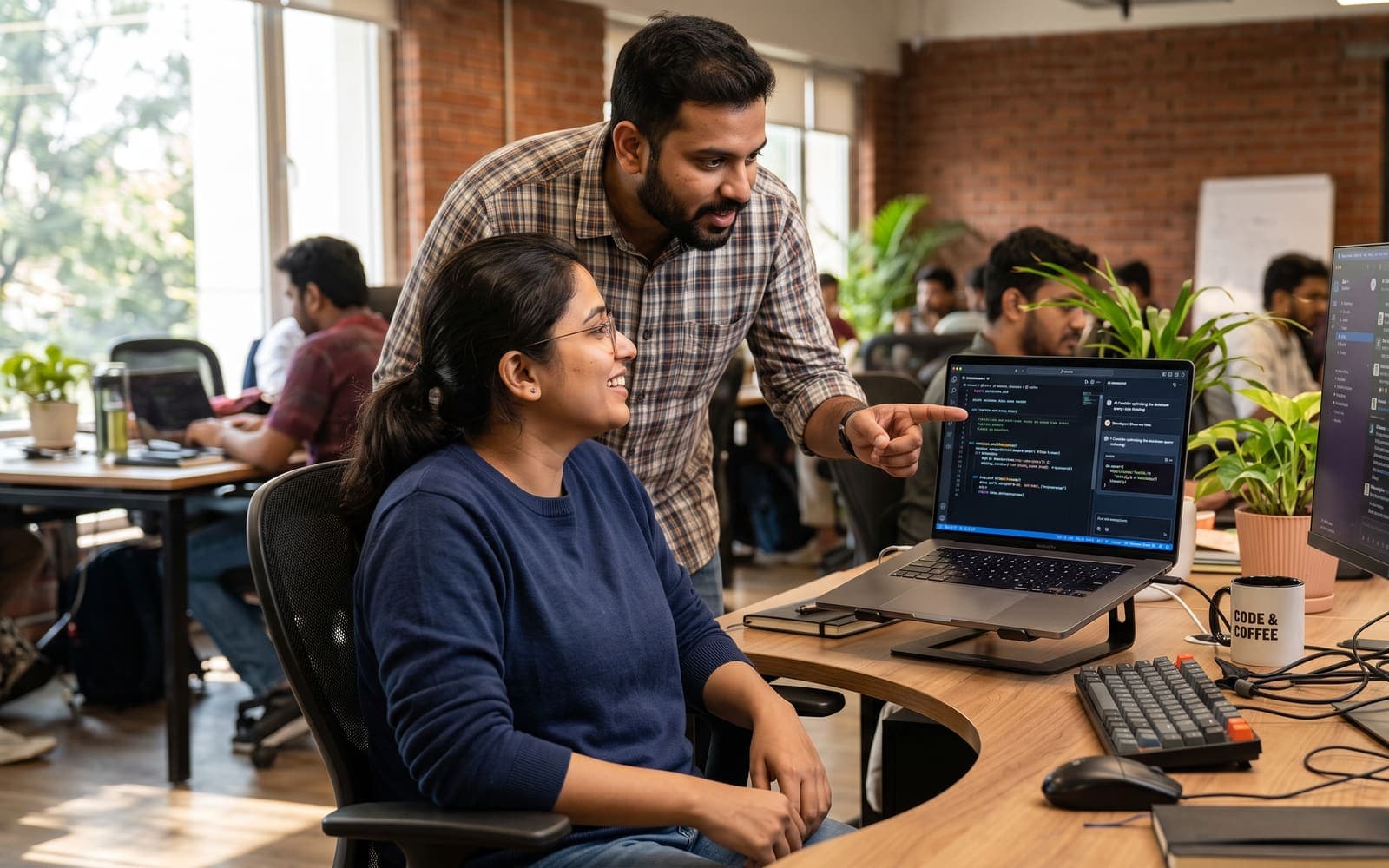
AI & automation
Applied where it removes real friction — not bolted on because it's the word of the year.
We start from the friction, not the model. If a copilot, a summarizer, or a workflow automation genuinely saves your team time, we'll build it in — wired responsibly into your existing product, with the same production standards as everything else we ship.
AI-assisted features
Search, summarization, and copilots built into your existing product.
Workflow automation
Take the repetitive 20% of a job off your team's plate.
Model integration
Wiring LLMs and ML models into production systems responsibly.

IT consulting & managed services
An outside set of eyes on your stack, your security, and your roadmap — with someone accountable for the follow-through.
An honest audit is only useful if someone sticks around to fix what it finds. We pair the outside perspective with ongoing, accountable support — so recommendations turn into changes, not another report that sits in a drive.
Technical audits
An honest read on what's solid, what's risky, and what to fix first.
Managed IT
Ongoing support so small issues don't become outages.
Security reviews
Finding the gaps before an auditor — or an attacker — does.
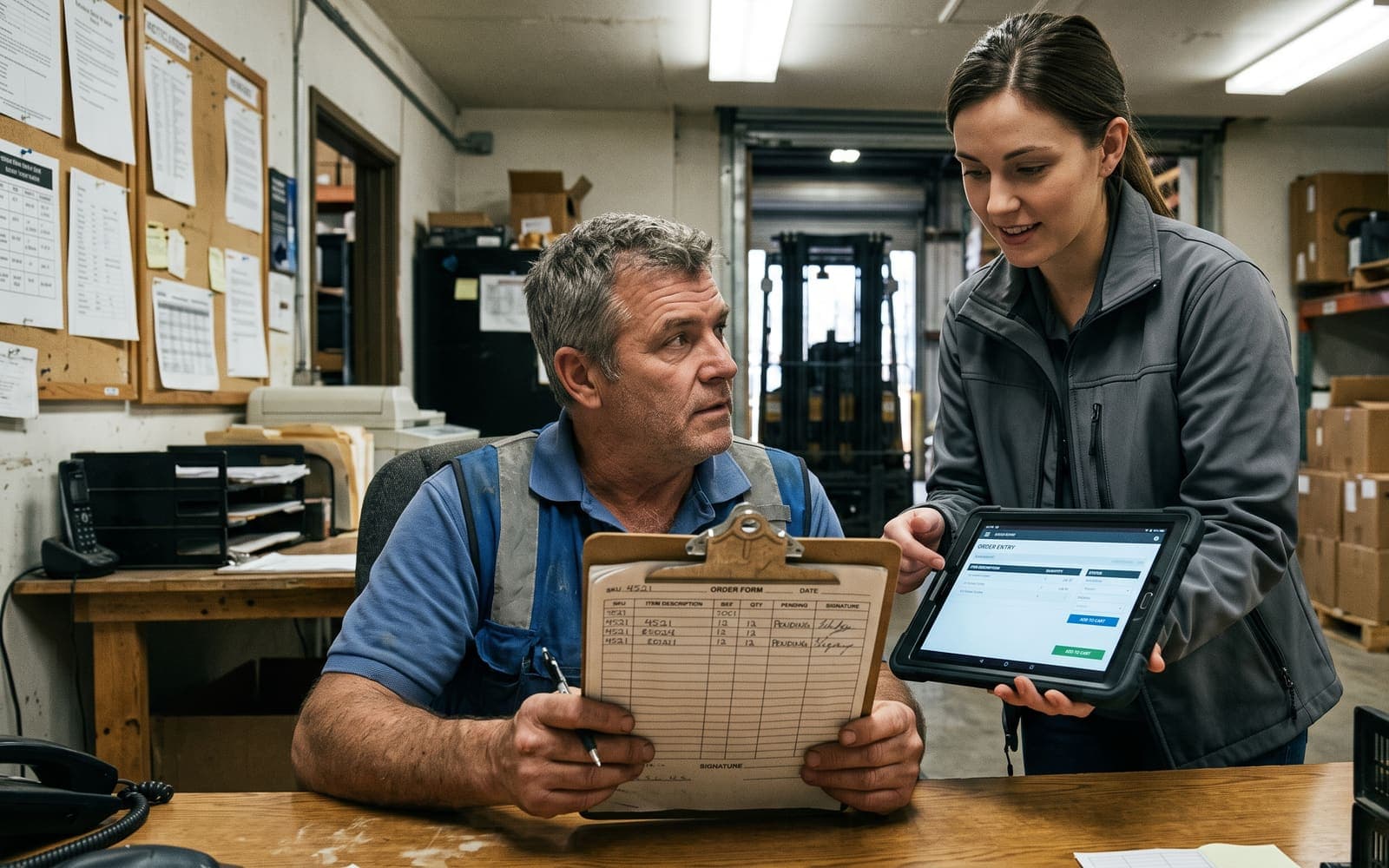
Digital transformation
For teams still running on spreadsheets, paper trails, or software that predates the smartphone.
Modernization fails when it ignores how people already work. We migrate the systems without breaking the workflow underneath them, and we stay through the rollout — because the software is only half the transformation.
Legacy modernization
Rebuilding old systems without breaking what already works.
Process digitization
Turning manual, paper-based workflows into software your team trusts.
Change management
Getting the whole team actually using the new system, not avoiding it.
Not sure which of these you need?
That’s the most common first conversation we have. Tell us the problem, not the service name.
Have a build in mind?
Tell us what you’re trying to ship. We’ll reply with a straight answer on scope, timeline, and cost — usually within two working days.